 The Sick Rose: Or; Disease and the Art of Medical Illustration
Has found out thy bed
– William Blake
In a pub a few weeks ago, a doctor friend was telling me about his first autopsy. What stayed with him, he said, was how the surface brutality of the act was accompanied by a strange, palpable tenderness as the assembled students protected the face of the deceased, keeping it clean and untouched. I thought of this when reading Dr Richard Barnett’s new book, The Sick Rose, ‘a visual tour through disease in an age before colour photography’. These painstakingly detailed images, so much more intimate than a quick photo session for The Lancet, take on the task of showing human bodies at their most vulnerable while also communicating something of the subject’s soul. Even affirming it, in the face of what was – at least then – helpless suffering.
In case it comes as a shock, I love the history of medicine. Being a) a medical oddity myself, and b) from a family of doctors who refused to censor their conversation at the dinner table, I’m always up for a chat about the experimental origins of rhinoplasty or how best to suspend a foetus in lucite. I’ve been looking forward to this book for months, especially as I went on a London gin tour with Dr Barnett a couple of years ago, and if it weren’t for him, I wouldn’t have known about the 18th century gin-dispensing cat. That’s the kind of thing I need to know.
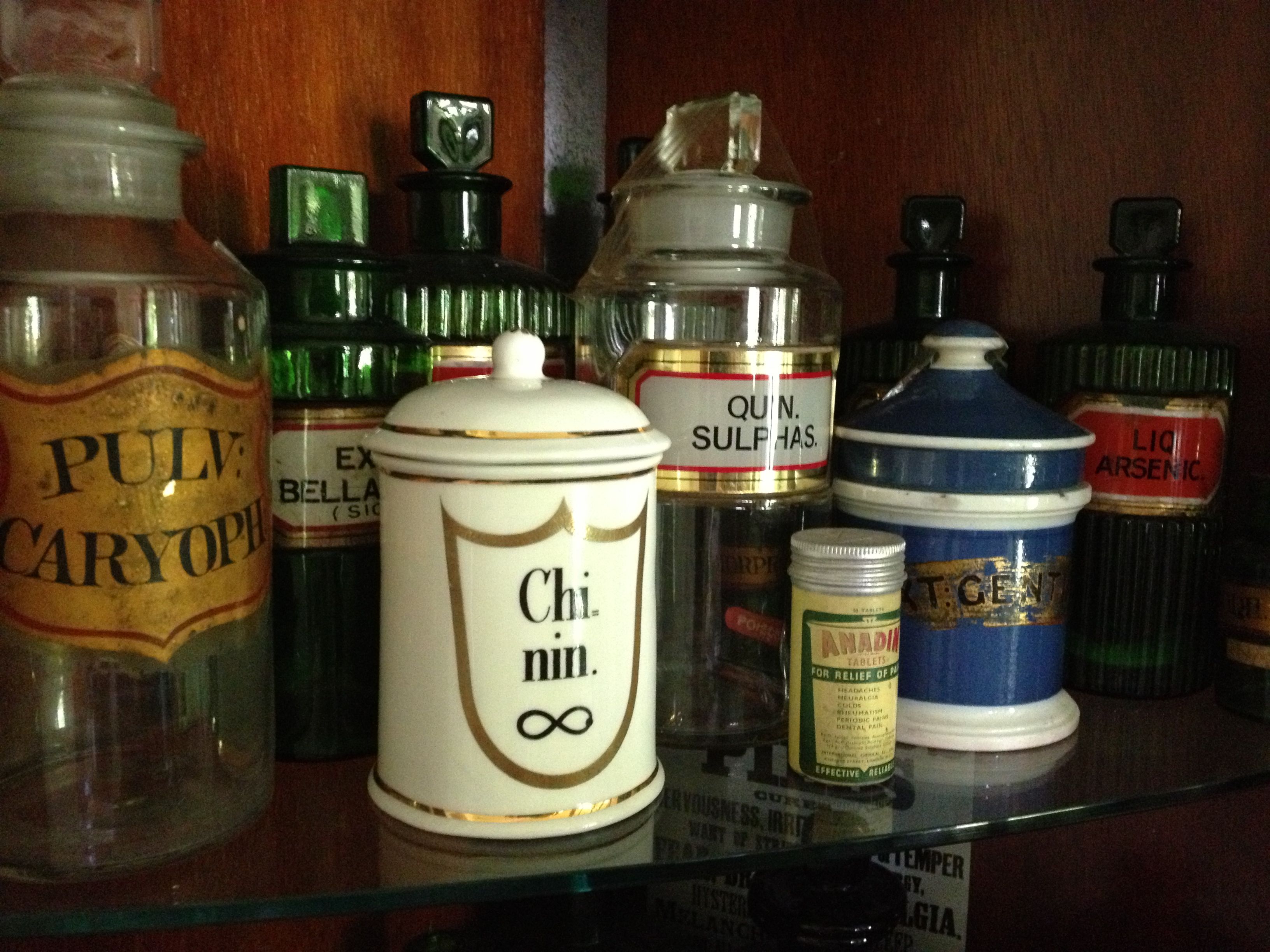
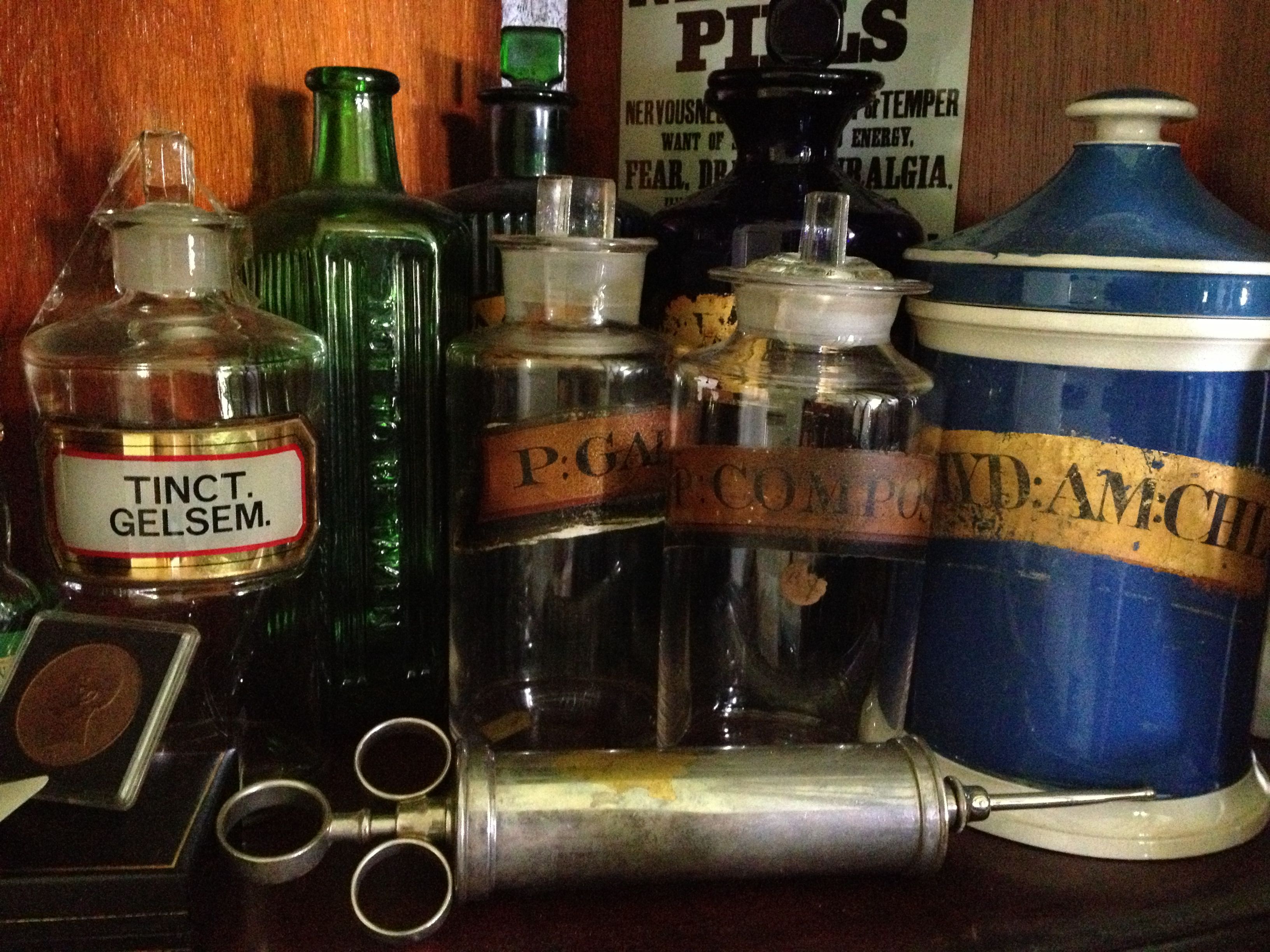
And have I mentioned the contents of my living room?
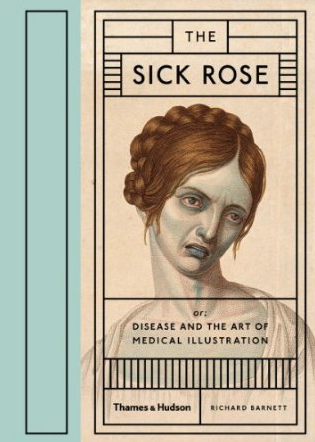
I was always going to love The Sick Rose. Physically, it’s gorgeous. A heavy, tactile hardback. Even the endpapers are smallpox, and the clinical, geometric cover design contrasts sharply with a portrait of a wasted young Veronese woman, blue with cholera. Thought has gone into the aesthetic, and it doesn’t go down any of the obvious ghoulish routes, making the reader uneasy from the off. Is this art or science? Is there a line dividing the two?
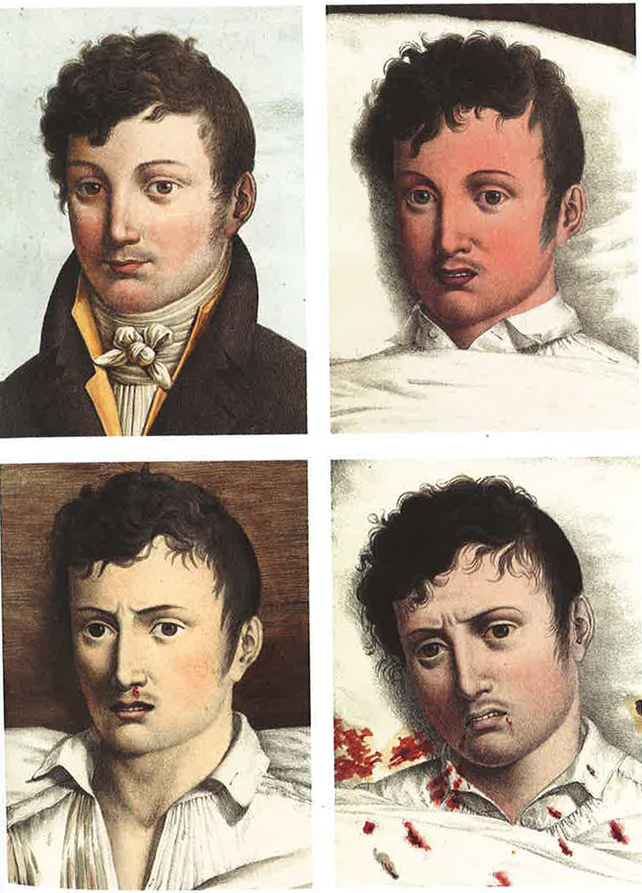
That’s what I like about the book. It’s unflinching but compassionate. The images of sores, growths, pestilence, and dissection are shocking without being childish. You’re invited to look into these faces and wonder who they belonged to. One particularly moving page features a baby wizened with syphilis, staring past the reader with ancient eyes.
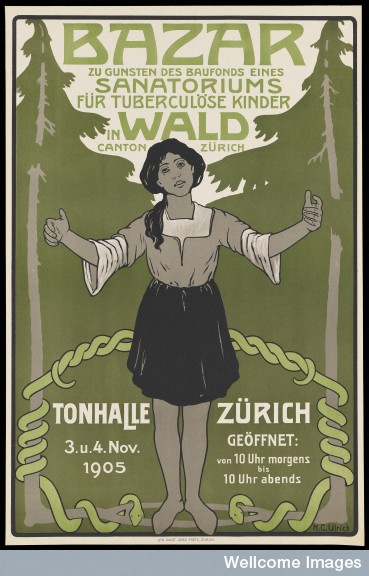
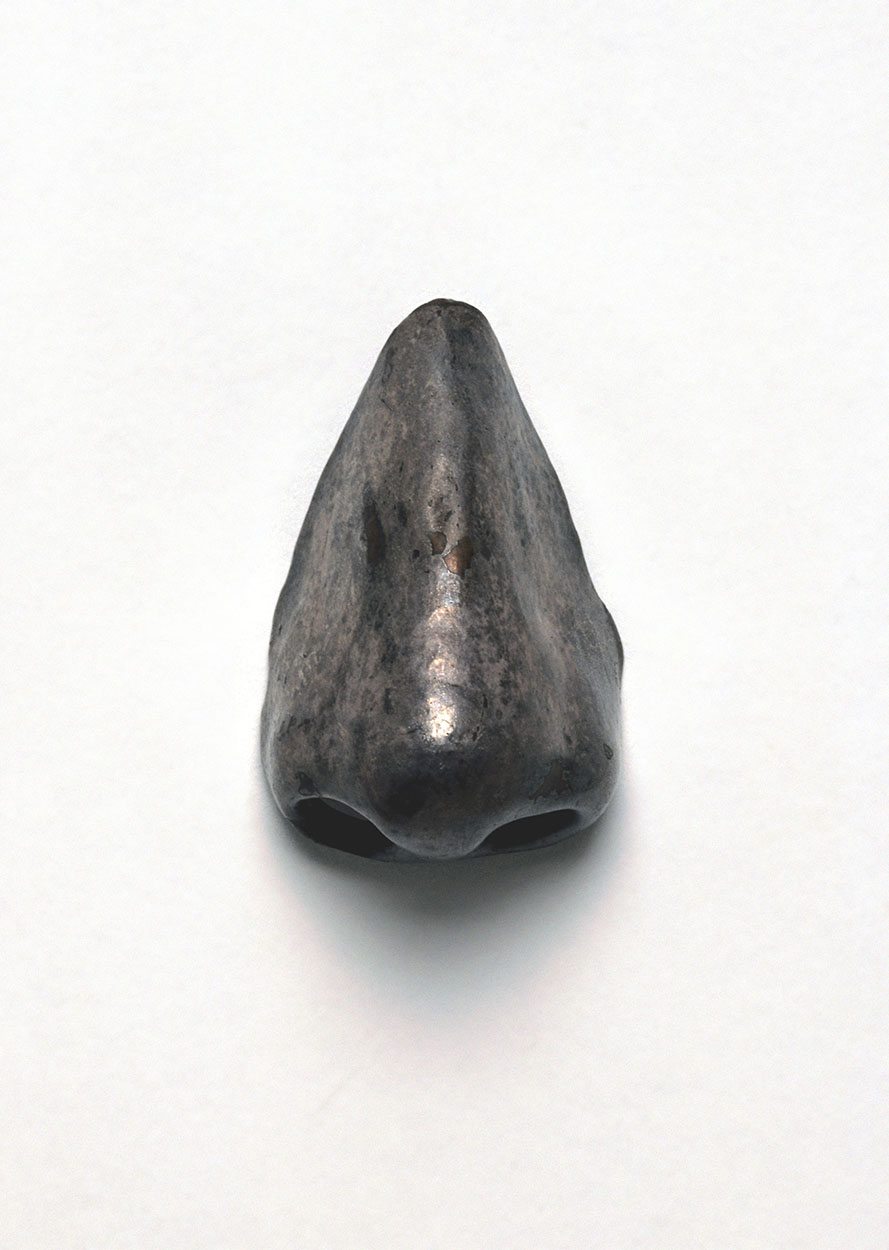 And then there’s the human ingenuity. Silver noses for patients disfigured by venereal disease, or beautiful art nouveau posters warning against ‘the white death’, a poetic and oddly desirable pseudonym for TB. Even my Uncle Thomas Holloway makes an appearance, with his delicate ceramic pots of useless ointment, bearing the image of Britannia and her shield. Disease and death are inseparable from the human condition, so it’s natural we should turn to art for expression and protection.
These symbolic gestures are not always comforting. For medieval physicians, leprosy was a sign of moral degradation, and the rituals that followed are disturbing. Barnett writes: “[Leprosy was] not only a disease but also a metaphor for the frail state of the human soul, portending the foulness of the grave and the agonies of purgatory. Some Catholic communities developed ceremonies in which lepers were declared symbolically dead, excluded from communal Christian life, even made to lie in a grave while a priest recited a burial mass”.
Compassionate. One can’t help but look at the recent cultural resurgence of zombies and feel queasy. Can such things only appeal to us when we’re comfortably removed from the possibility of actual living death? And what does it say about us?
Philosophical reflections aside, the most unsettling thing I learned while researching The Sick Rose was that the makers of the game series BioShock based the faces of the splicers (drug-crazed mindless killers, if you haven’t played) directly on those of disfigured WW1 servicemen. There’s an essay on it here by Suzannah Biernoff – upsetting reading, and something I’m astonished isn’t more widely known. BioShock is one of my favourite shoot-em-ups, but I’d never made the mental link until Biernoff pointed it out. These ‘points of contact and dissonance’ between art, entertainment, and anatomy too often tread the problematic line of appropriation. It needs examining, and The Sick Rose is refreshingly mindful of this.
In short, I’m recommending the book to everyone. It’s beautiful and emotionally-engaging. All the while the ravages of disease and cultural ideas of monstrosity go hand in hand, thoughtful books like The Sick Rose are still very much needed. It’s natural to be fascinated by the blood and horror of the past, but it’s important to temper that fascination with the humanity of the subject. We mustn’t forget how relatively fortunate we are today.


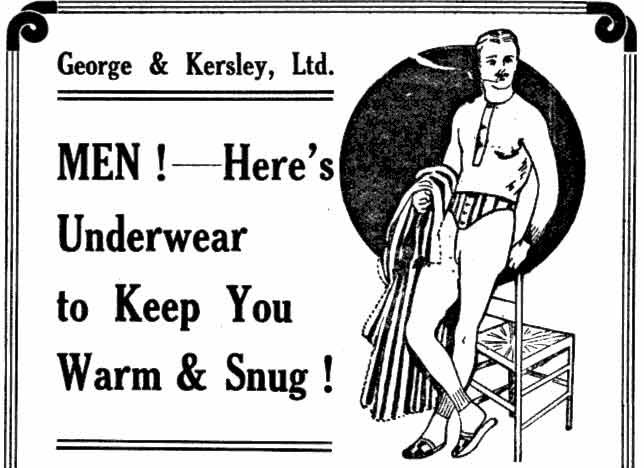 Compare this with the practise of woollen underwear in all weathers. Porous in humidity, insulating in deep cold, a woollen vest and drawers would guard a body from the sudden changes in temperature believed to wreck the constitution. In 1823, Captain Murray of the HMS Valorous returned to Britain after a two-year tour of duty along the freezing Labradorean coast. Each man aboard was given two sets of woollen undies and commanded to keep them on. On his return, Captain Murray was pleased to report he had not lost a single man despite great changes in temperature – this was a record, and one he attributed to wool. For the rest of the nineteenth century, a good set of woollen undies would become recommended by doctors all over the British Empire, even in the Tropics.
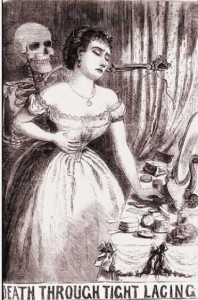 Naturally, Goodman has tested this advice, along with the long-term use of tight corsets. Lovely to look at, and surprisingly practical for work involving constant bending, Goodman experienced two unpleasant side effects of a tiny waist: 1) Corset rash is worse than chickenpox, and 2) after a time, her core muscles wasted away, giving her a high, breathy voice a Victorian may well have termed feminine and pleasing. She had to retrain her diaphragm with rigorous singing exercises.
 The previous week, we went to the Jacobean Gawthorpe Hall in Lancashire’s Padiham, where Charlotte Brontë paid two awkward visits to Sir James Kay-Shuttleworth in the 1850s. Sir James fancied himself a budding writer, and the green couch where Charlotte withstood her host’s overpowering enthusiasm is still on display.

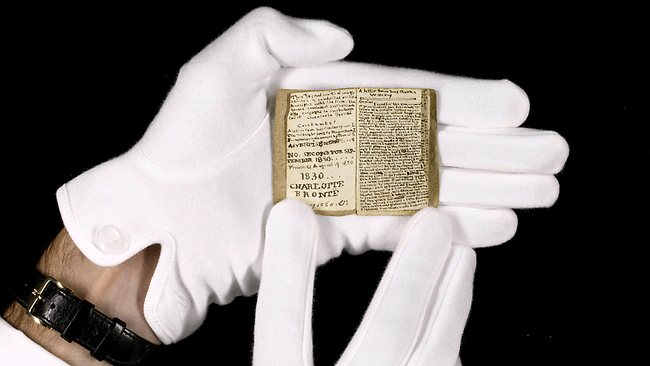
 The house itself is unexpectedly small. I think that’s a function of decades of Brontë film adaptations set in sprawling Gothic estates, but when you take into account the width of women’s skirts during the 1840s, it’s easy to imagine the family having to shuffle about under each other’s feet, and the emotional closeness such proximity would generate.




 I first became aware of Schulz through the Brothers Quay 1986 film of his short story collection,
  He is sensitive without being sentimental, as if conscious that the rules of his world are not the same as his neighbours: