Wunderkammer: The Street of Crocodiles

It’s hard to separate the writing and art of Bruno Schulz from the tragedies of his life and death. Schulz’ peculiar inner world was shaped by the traumas of WW1, the death of his father, and an almost pathological solitude that cut him off even from his fellow Jews in the ghetto. In the wake of his death at the hands of a Nazi officer in 1942, many of his drawings and his final literary work, The Messiah, were lost forever. Under cover of darkness, a friend carried his body from where it lay in the street to a nearby Jewish cemetery. No trace of his grave site remains.
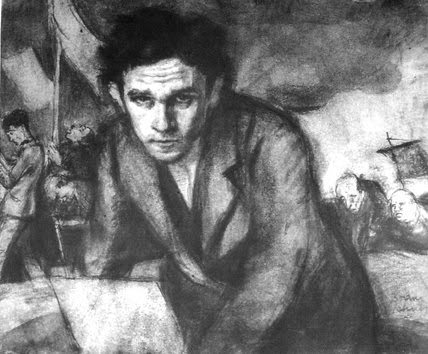
brunoshultzI first became aware of Schulz through the Brothers Quay 1986 film of his short story collection, The Street of Crocodiles. Terry Gilliam called it one of the most beautiful films ever made, and he’s not wrong. The stuttering dolls and the clash of rusty machinery alongside throbbing organic matter stay with you long after the twenty minute film is over.

I only read the book recently, needing something brief after a massive Donna Tartt blowout. The Street of Crocodiles bears little literal resemblance to the film, but thrums with the same unsettling energy. Beginning in a stiflingly hot day in the Polish city of Drogobych where Schulz lived and died, the reader is introduced to the strange inhabitants of the city, wheeling about like beetles on the baking pavement. Then come the even more disconcerting denizens of the family home. A shy, thin young man, Schulz inserts himself as an unobtrusive narrator, watching the strange comings and goings of his family with little concern for the creeping madness of his father and the violence of the strangely powerful servant Adela.

Schulz is most commonly lumped in with Kafka and Proust. Having only read Crocodiles so far, he reminds me most of magical realists like Angela Carter and Mikhail Bulgakov; more introverted, like a quiet cousin of theirs, but just as poetic and hilarious.

With Schulz, everyday sights are loaded with meaningful life. The landscape he traipses each day with his mother becomes a character in itself, as much as any family member: “And over the fence the sheepskin of grass lifted in a hump, as if the garden had turned over in its sleep, its broad peasant back rising and falling as it breathed on the stillness of the earth.” His disturbed father shares this odd sensitivity, adopting tailors’ dummies and treating them as beings capable of pain: “Who dares to think that you can play with matter, that you can shape it for a joke, that the joke will not be built in, will to eat into it like fate, like destiny?”
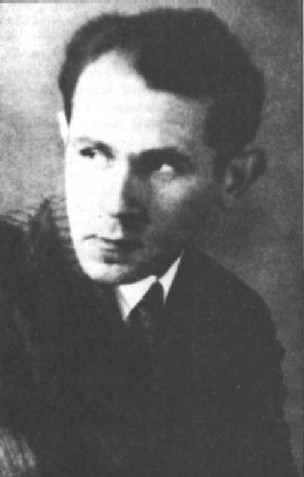
Bruno_SchulzHe is sensitive without being sentimental, as if conscious that the rules of his world are not the same as his neighbours:

“In a way, these ‘stories’ are true; they represent my style of living, my particular lot. The dominant feature of that lot is profound solitude, a withdrawal from the cares of daily life. Solitude is the catalyst that brings reality to fermentation, to the precipitating out of figures and colours.”

Reality goes in. Imagination – distilled – comes out.

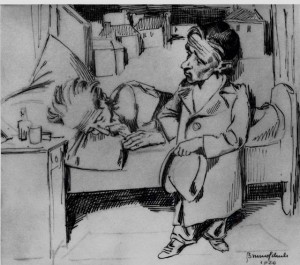
Schulz’ drawings remind me of those of his contemporary Mervyn Peake – probably the reason I warmed to him so quickly. Schulz’ hollow-cheeked Jews wouldn’t be out of place in The Hall of Bright Carvings; Peake’s Mister Flay would be quite at home in The Book of Idolatry. Sideways black comedy came naturally to them both, although it’s impossible to look at them side-by-side without the sad realisation that Peake documented the atrocities of the Holocaust as an official war artist while Schulz – and so much of his surreal, beautiful work – did not survive it.
brunosanatorium

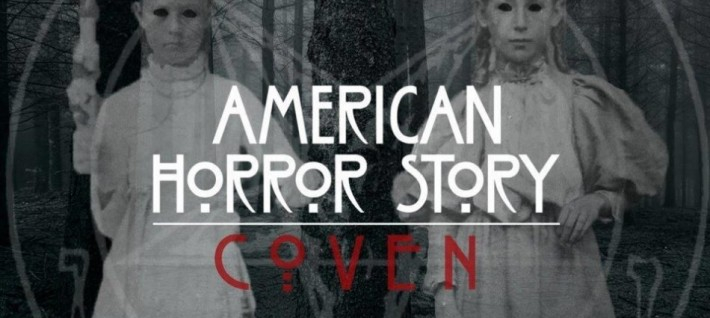
7 reasons you should watch American Horror Story: Coven

In this house, we like horror and we love American Horror Story. The latest series, ‘Coven’, follows a school for talented young witches in New Orleans, and you should be watching it.

ahscoven

It passes the Bechdel test. Every episode. In fact, all three series of AHS features women talking to women about things other than men. This is so damn refreshing. See, screenwriters? It isn’t difficult.

The magnificent sets revel in all the trappings of Southern Gothic: dreary swamps, ramshackle cemeteries, and grand white houses with jazz drifting in from the streets and bars. You can almost taste the mint juleps.

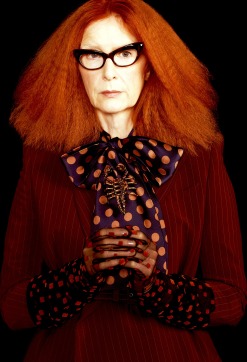
Myrtle Snow

Frances Conroy as Myrtle Snow

Myrtle Snow’s costumes by Lou Eyrich. She is flawless.

The music. Stevie Nicks is a keystone of the Coven series; her lyrics a thread to follow. All three AHS series have made use of a spectrum of music, including Carina Round, Pete and The Pirates, and Soeur Marie’s Dominique – which will now be stuck in your head for all eternity.

Jamie Brewer. An actress with Down’s Syndrome who isn’t there purely to demonstrate the protagonist’s compassion, isn’t asexual, and consistently gets good lines. Brewer also features in the first series – ‘Murder House’ – without as much complexity, but the writers are clearly interested in diversity without tokenism, and that’s something I think audiences really want to see.

Kathy Bates as serial killer Delphine LaLaurie. Horror fans will already be warm to Bates, and, as you’d expect, she looks 100% at home scowling in a frumpy antique frock. Though Madame LaLaurie is a cartoonish character, AHS uses her to explore the deeply entrenched racism of America’s South through her grudging friendship with witch of colour, Queenie, played by Gabourey Sidibe. It isn’t unproblematic by any stretch of the imagination, but it’s good to see a fantastical mainstream TV series touching on actual social horrors. When LaLaurie attempts to excuse her vicious past with “I was a woman of my time”, Supreme witch Fiona responds: “That is a crock of shit.”

Cheese. AHS is unashamedly cheesy. Witches casually playing theremins, your requisite zombie uprising, teenage necromancers flouncing around in impossibly high heels and sunglasses…it’s silly. And silly is good. Watch it.

Leaping into the new year

A belated happy new year to you all. 2013 brought new friends, new skills, and new publications, but I’d be fibbing if I said I wasn’t ready to leap into 2014.

I’ve made headway on a new, inevitably Victorian novel. This was aided in part by my summer experience at the Isle of Wight steam railway, getting to grips with the challenges of hopping on and off steam engines in a crinoline during the hottest weekend of the year. There’s nothing like primary research.

mevictorian

Getting intimate with a new narrator is part joy, part daunting challenge. Emma Darwin’s post, 19 Questions To Ask (and ask again) On Voice, has been a helpful point of focus as I reign in the material of the woolly winter months.

“Yes, Voice, overall, is one of the archetypal writerly things that you can’t, completely, make happen by sheer force of will. But as I was discussing here, it’s a mistake to assume that the only good decisions are those which come from that mysterious place we call instinct and intuition. A bit of clear thinking and precise focus can make things clear for your intuition to recognise. And besides, there are always times in your writing life – the depressed moments, the hungover and lack-of-sleep moments – when intuition fails you. But even then, you can always ask practical, technical questions about language and grammar, and – as I was exploring here – so often when you do get practical and technical, you’re led back to the strange, instinctive stuff of our imagined worlds.”

I spent the Christmas break reading Donna Tartt’s The Little Friend and goggling at her masterful world-building. I’ve never been to Mississippi, but, 500 pages later, I feel I know something of its dreary gorgeousness and savagery. “Oh man, you are starting with the wrong Donna Tartt novel,” says just about everyone I mention it to. If that’s Tartt at her worst, I’m intimidated by the possibility of her best.

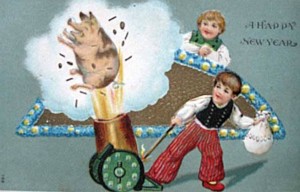
Which brings me to my resolution. I don’t usually make resolutions. I find myself struggling to think of a suitably righteous goal and become distracted by bizarre Victorian greetings cards encouraging the recipient to fire a pig out of a cannon for luck.

nyepigBut, because I’m feeling disgustingly optimistic at present, my 2014 resolution is to keep striving, keep learning, and above all, as always, keep writing. Rossetti had a lifelong habit of trying to accomplish ‘something in some branch of work’ every day, whether that meant poetry, painting, translation or illustration, and when he wasn’t working – or when he was depressed and unable to work – he was reading, observing, taking things in. As I said on Literary Rejections, experience accumulates. I want to be more conscious of that this year. The practical, technical stuff as well as the strange and instinctive.
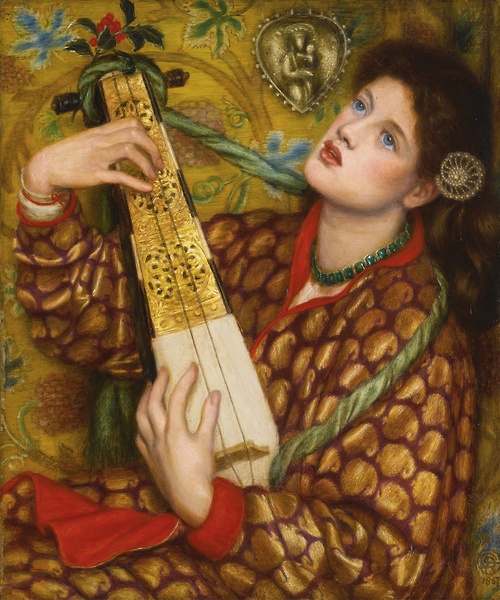
Failing that, during ‘the depressed moments, the hungover and lack-of-sleep moments’, I can fall back on my secondary resolution: wear more hats.

Verity gets a hamster. Kind of.

I always thought I had no crafting talents. Friendship bracelets, daisy chains, iced cupcakes – all a total loss. Turns out, I’m alright at taxidermy.

As a child, I was hugely upset by stuffed animals. I seem to remember it stemming from the conviction that a squirrel would appreciate a proper Christian burial. As I got older, however, seeing the anthropomorphic work of Walter Potter and taking an interest in human mortuary customs and anatomy as a science, I began to develop a fascination. Plus, an exceptionally large pigeon once dropped dead out of a tree and into my garden, and as I shooed the dog away I found myself thinking, “I should really do something with this…”

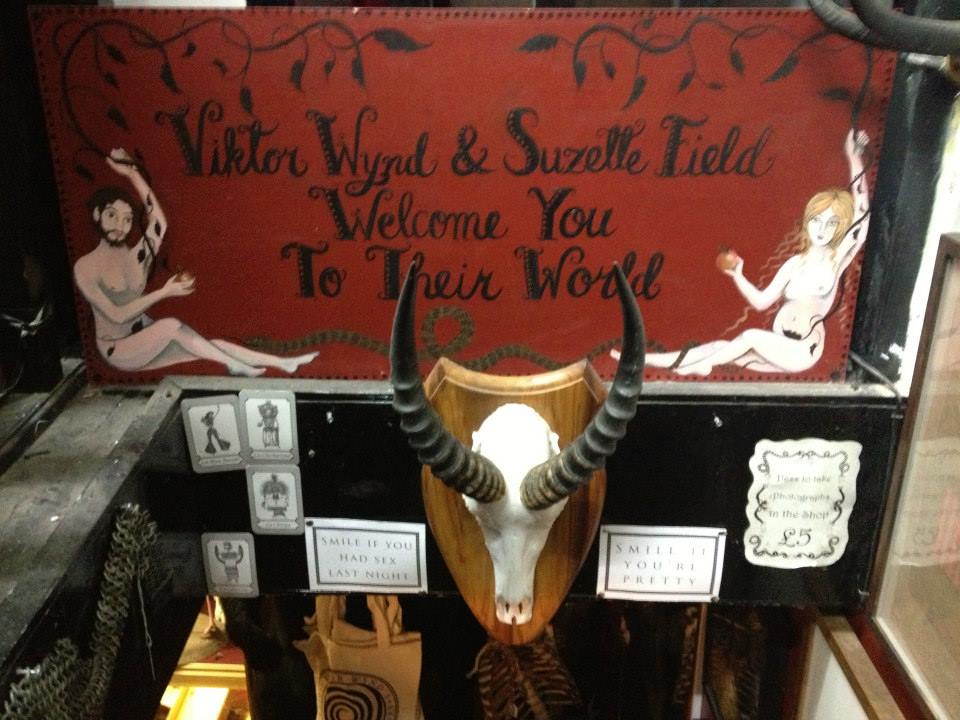
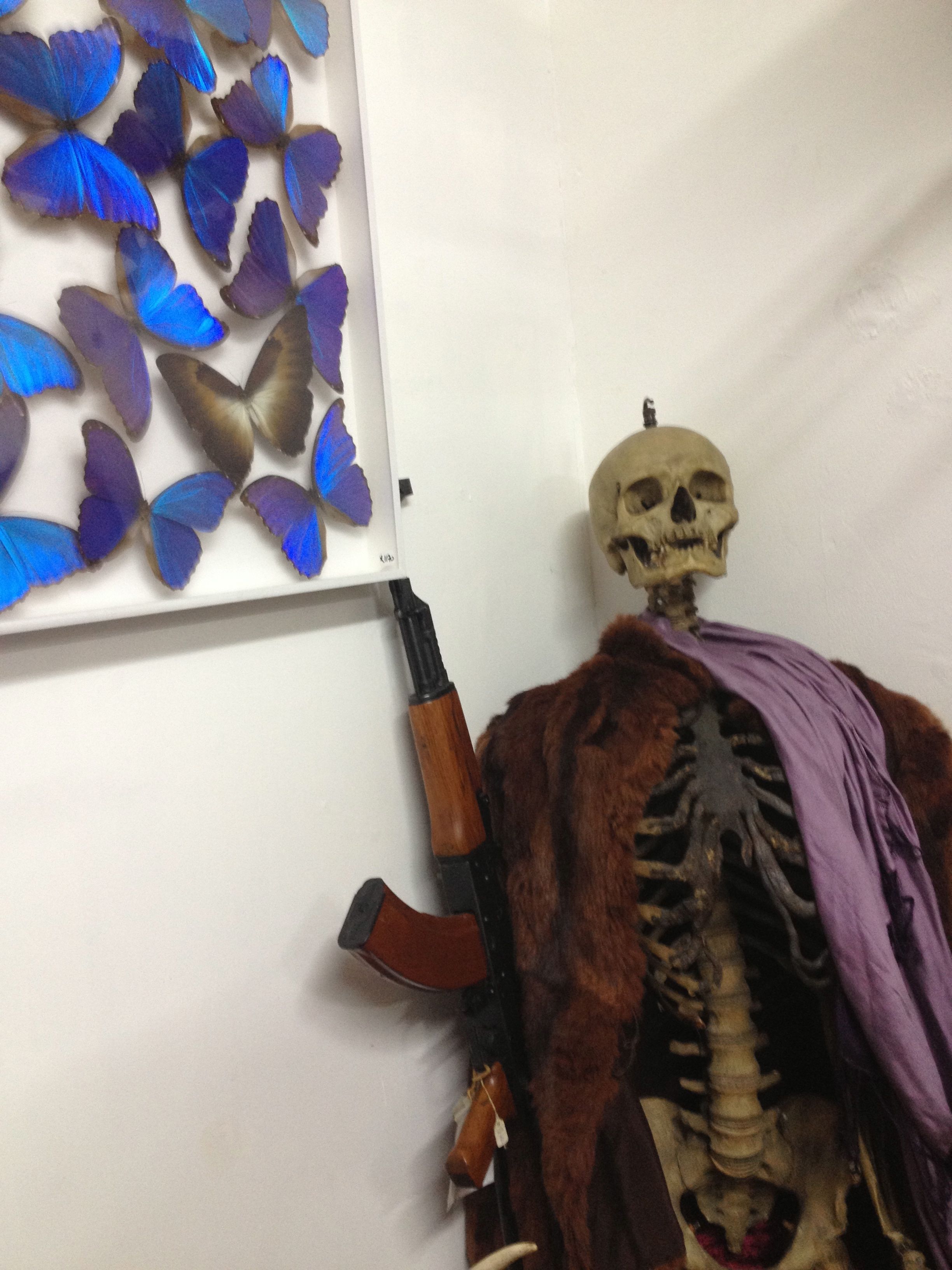
So we booked our places at one of The Last Tuesday Society‘s anthropomorphic taxidermy classes. If you’re at all Fortean in nature, you must get down to Hackney and see this place. I felt like I’d found my tribe.

viktorwindIMG_0851

It probably helped that I’d never had a pet hamster.

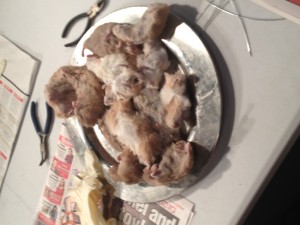
frozenhamsters

All our hamsters were the unsold snake food variety, destined to otherwise go in the bin. It’s important to most modern taxidermists that their animals are not killed especially for stuffing, and instead rely on roadkill, stillborns, and the like. There are surprisingly numerous vegetarian taxidermists, our instructor Michelle included. The omnivorous variety often consume the more edible animals, and Michelle feeds her leftover meat to her pet axolotl.

I’ll admit, I felt some trepidation as I wielded the scalpel for the first time. It didn’t help that my instrument was blunt, so, when given a sharper blade, I punctured the inner cavity and learnt a sudden exciting lesson about intestines.

If, unlike me, you’re a natural skinner of rodents, you should never see the inner cavity. There’s very little risk of flying gore. You more or less de-glove the hamster, taking care around the eyes, clip the feet, clean the skin, pop a cotton wool mould inside, and sew it up. Ours took about five hours while the room gradually began to smell like an upmarket charcuterie.

IMG_0861

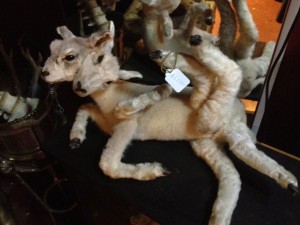
Downstairs, in Viktor Wind’s Little Shop of Horrors, we saw how the professionals do it.

It will sound strange to anyone naturally repulsed by taxidermy, but being so hands on with a dead creature actually increases your feelings of respect. You get a fantastic sense of the wonder of anatomy; milky little hamster ribs perfectly encased in tight, pink flesh. And then you get to put a hat on it!

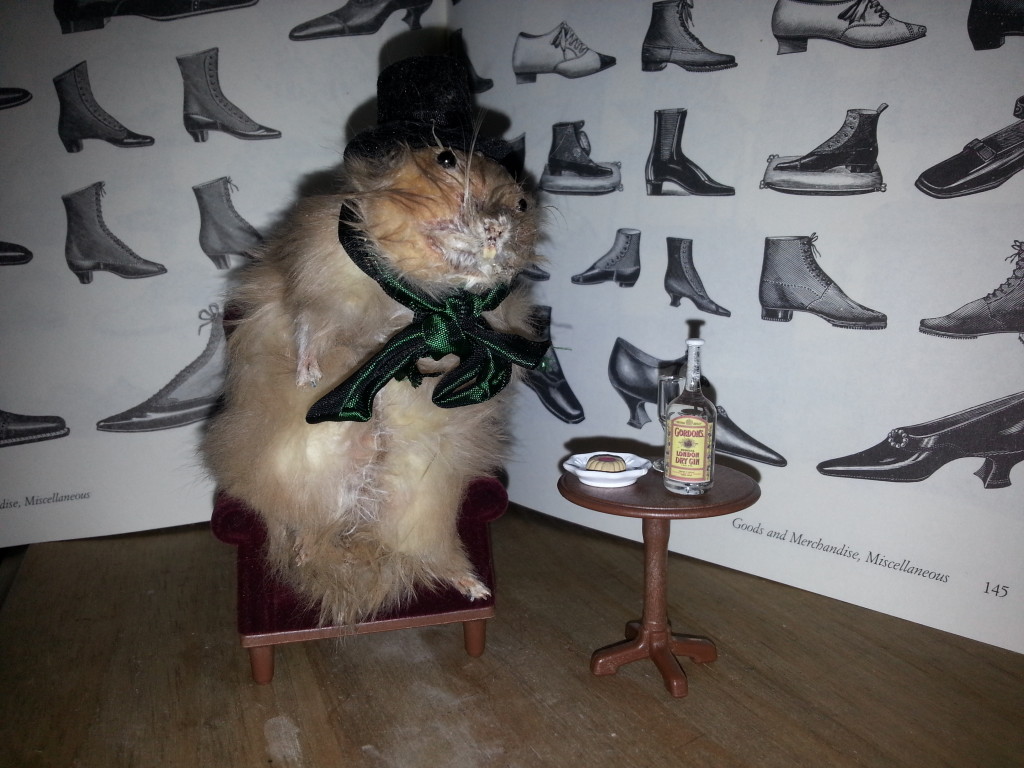
My effort:

Bertie

Burlington Bertie, he’ll rise at ten-thirty, and saunter along like a toff
He walks down the Strand with his gloves on his hands
And saunters back down with ’em off.

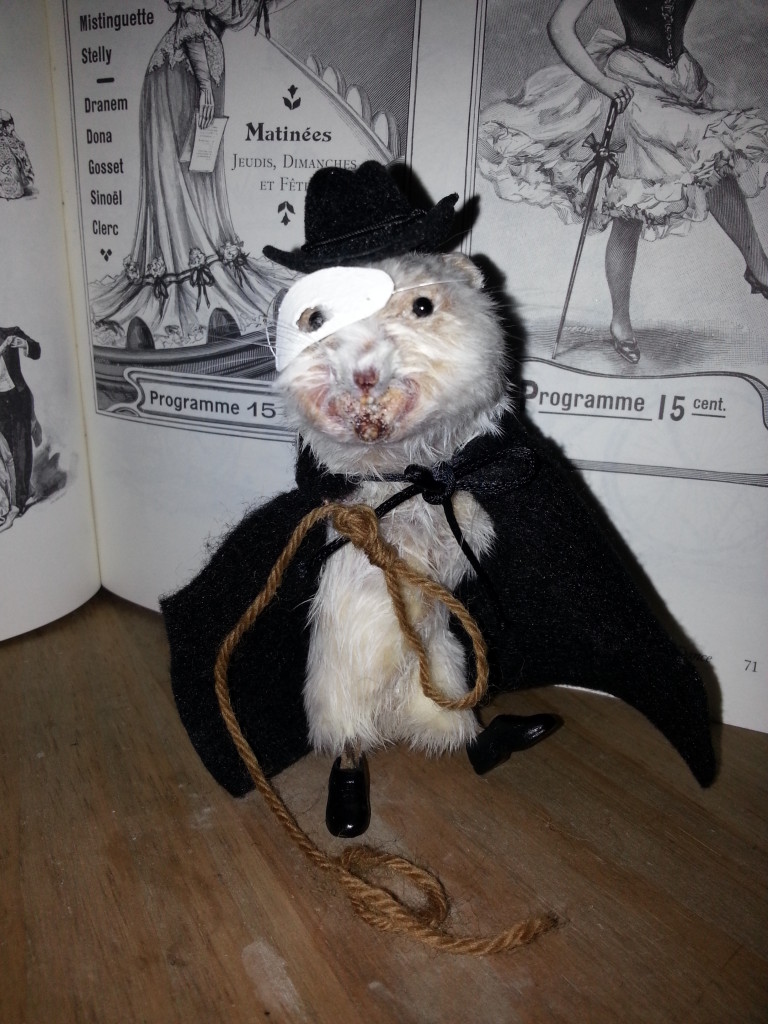
And Gabriel’s:

PhantomHe’s here! The hamster of the opera.

mousebook2I think I was always destined to become that odd woman with a bin bag, scouring roadsides. At least now I’ll have a purpose.
For more anthropomorphic taxidermy, see Margot Magpie’s Of Corpse Taxidermy (or indeed her Taxidermy Workshop Manual, which we bought for future adventures), and Amanda’s Autopsies. For some crappy taxidermy, head to…Crappy Taxidermy.

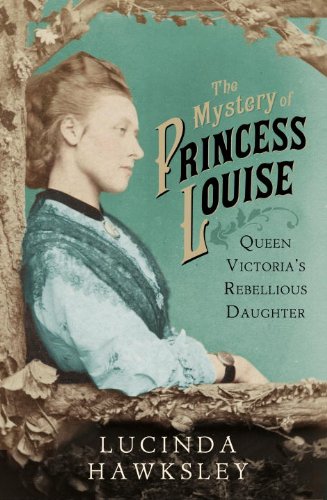
The Mystery of Princess Louise: Queen Victoria’s Rebellious Daughter

princesslou

With her latest book, Lucinda Hawksley delves where the monarchy would rather she didn’t.

The life of Princess Louise is one clouded by rumours and misdirection. Queen Victoria’s fourth daughter was said to be simultaneously difficult and charming, dense and witty, beautiful and naughty. With her files still closed to researchers and the public alike, getting a good look at this headstrong woman is a challenging task, fraught with dead ends and muffled hints of scandal. Hawksley’s new biography is the closest we’ve yet come to the true face of ‘Loosy’.

“Luckily the habit of moulding children to the same pattern has gone out of fashion. It was deplorable. I know, because I suffered from it. Nowadays individuality and one’s own capabilities are recognised.” – Princess Louise in a newspaper interview from 1918.

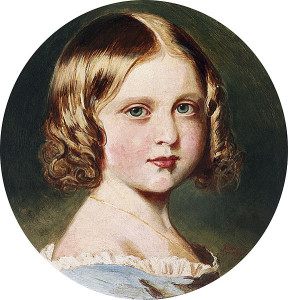
Louise as a child, by Queen Victoria after Franz Xavier Winterhalter.

Louise as a child, by Queen Victoria after Franz Xavier Winterhalter.

Individuality and independence were luxuries Louise refused to take for granted, likely because Queen Victoria’s treatment of her children was toe-curlingly cruel. The Queen frequently communicated through notes delivered by servants (even when the child at fault was sitting beside her) and laced every affectionate statement with a critical undercurrent. Even when they flew the nest, Victoria would do her best to interfere in her children’s lives to a stifling degree. The psychological effects make for heart-rending reading. When Louise’s father, Prince Albert, died, the thirteen-year-old cried out, “Oh, why did not God take me? I am so stupid and useless.”

It is not surprising that Louise strove to be the polar opposite of her overbearing mother. While the Queen deplored the concept of equal rights for women, Louise admired the drive and ambition of Florence Nightingale and Mary Seacole. The Queen adored Scotland – Louise craved sunshine. The Queen was a stickler for propriety, but Louise, who took on many of Victoria’s official duties during her long mourning for Albert, would openly remark her mother simply couldn’t be bothered any more. The Princess’ charismatic disregard for protocol made her charming, yet her mother seemed set on the idea that Louise was had learning disabilities, or was, as she put it, “naughty and backwards”. Most likely, the artistic young woman was bored.

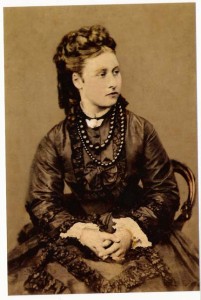
Louise, with Pre-Raphaelite accessories.

Louise, with Pre-Raphaelite accessories.

This frustration found release in the hard physical work of sculpture. Although William Michael Rossetti took a public swipe at her, tartly (but also quite rightly) stating that an artist who happens to be a royal cannot be judged on merit alone, Louise was genuinely a talented and thoughtful sculptor. She befriended a number of the Pre-Raphaelites (though Dante Gabriel Rossetti was out when she called) and adopted their sense of style, moving in Aesthete circles among radical thinkers, to the horror of her class-conscious mother.

The biography sensitively charts the ups and downs of Louise’s unconventional marriage to the homosexual Marquess of Lorne, a man she came to detest, and later to platonically respect. Rumour had it, the Princess knew Lorne picked up soldiers in the park near their apartments. She consequently had the windows facing them bricked up. More shockingly, Louise herself had a number of affairs. This, Hawksley surmises, is why her files are so forcefully concealed to this day. Although her brother Bertie was a famous philanderer, and even Queen Victoria enjoyed a healthy sex life, there are indications that before meeting Lorne, Louise had done the unforgivable and been an unwed teenage mother – via her brother’s tutor. How Louise concealed this alleged pregnancy – and what may have happened to the child – provides a fascinating insight into the Victorian double standards of gender and sexuality, and also Louise’s indomitable spirit.

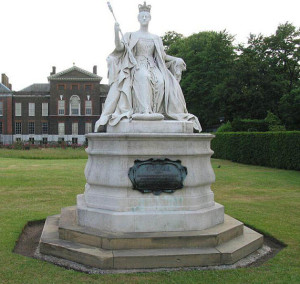
Louise's statue of her mother at Kensington.

Louise’s statue of her mother at Kensington.

The scandals don’t stop there. Louise was at ease in the company of men, and therefore attracted a great many admirers, including the artist Sir Edgar Boehm. Despite efforts to wipe the affair from the record, it would seem Boehm died during sex with Louise, leading to comical rumours that the body had been rolled up in a carpet and bundled into a cab to avoid a scandal. That Louise continued to be a vivacious, fun-loving woman after this and other such traumatising events is testament to the inner strength forged by years of her mother’s bullying.

But the book is much more than a catalogue of naughtiness. Far some being yet another fawning royal biography, Hawksley’s The Mystery of Princess Louise is unflinching about the human flaws of her subjects. Hawksley conjures the nineteenth century in an accessible way, showing the royal family as being an active part of the great Victorian machine rather than simply perching in its upper echelons. She regularly brings up the contemporary republican viewpoint, which may surprise and interest readers. The same arguments are debated today.

Hawksley also brings up a very important point: Queen Victoria’s diaries as we know them now are the product of heavy editing by ‘the arch-inquisitor’ Princess Beatrice. We will never know her stronger comments on Louise’s liberal lifestyle or the lengths she went to to conceal her daughter’s teenage misdemeanours. In the mid-twentieth century, Princess Margaret made an attempt to research the Princess Louise – even she was barred from the most sensitive records. What we do have is the testament of the companions, servants and chance encounters Louise had during her long life; people who found Louise to be an engaging, headstrong, charming, and exceedingly modern artist and princess.

Lucinda Hawksley’s The Mystery of Princess Louise: Queen Victoria’s Rebellious Daughter is out on the 21st of November 2013.

BBC News: “Winds of 80mph are expected to sweep across the East of England today in what could be the worst storm in 30 years…”
Brain: “Wear the big floaty skirt.”
Me: “What?”
Brain: “Wear it. The big floaty skirt. Wear it outside.”
Me: “In 80mph winds?”
Brain: “Floaty.”
Me: “But -”
Brain: “Wear the big floaty skirt.”
…
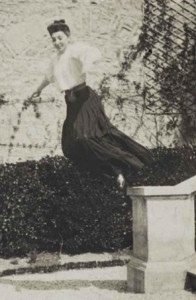
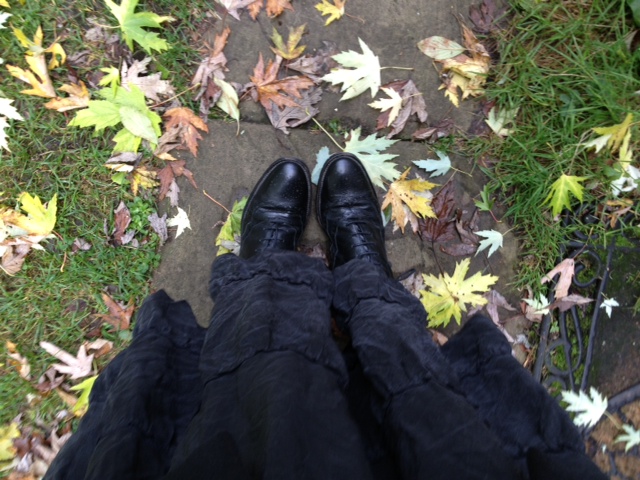
I am wearing the big floaty skirt.

floaty

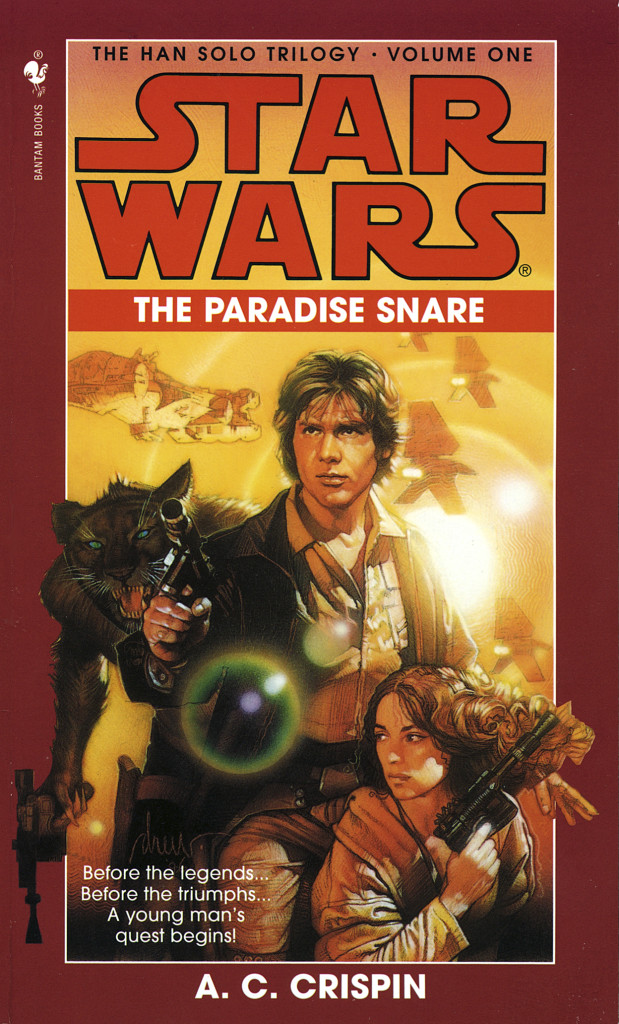
I just learned that A.C. Crispin died of cancer last month.

I feel ashamed to learn this belatedly. Earlier today, I’d been raving about her Han Solo trilogy, how they excited me as a young reader, how they shaped my tastes and aspirations.

The_Paradise_SnareI was a nerdy sci-fi-loving pre-teen when I found The Paradise Snare in – I think – London’s Science Museum, back when a £4.99 paperback presented a considerable investment for your weekly 50p pocket money. A vivid memory: standing on the Circle line, a plastic carrier bag swaying on my wrist, unable to shut this book.
Here were gunfights, aliens, drug-fuelled religious cults and a love story with teeth. It was funny and dangerous and probably not appropriate for a child, but when these things are smuggled in genre fiction they end up in kids’ bedrooms, and why not?

My Star Wars obsession was the kind of love you can only sustain during the 12-16 age gap. When you lived in Suffolk, never more than six feet from a tractor, escapism wasn’t so much a pastime as an essential coping mechanism, and I must have read and re-read those books scores of times. I may even have loved them – whisper it – more than the films.

Unlike Brian Daley’s high-camp Solo novels published in the ’70s (featuring a droid called Bollux – oh dear), Crispin peeled back the swashbuckling to provide a compelling, surprising backstory for this character who started off as a wisecracking space cowboy played by a painter and decorator. “You can write this shit, George, but you sure as Hell can’t say it”.

This was pre-Internet, at least in my house. I didn’t know who A.C. Crispin was, let alone whether this was a man or a woman. I only knew this was someone whose imagination excited me, and perhaps that’s how it ought to be.

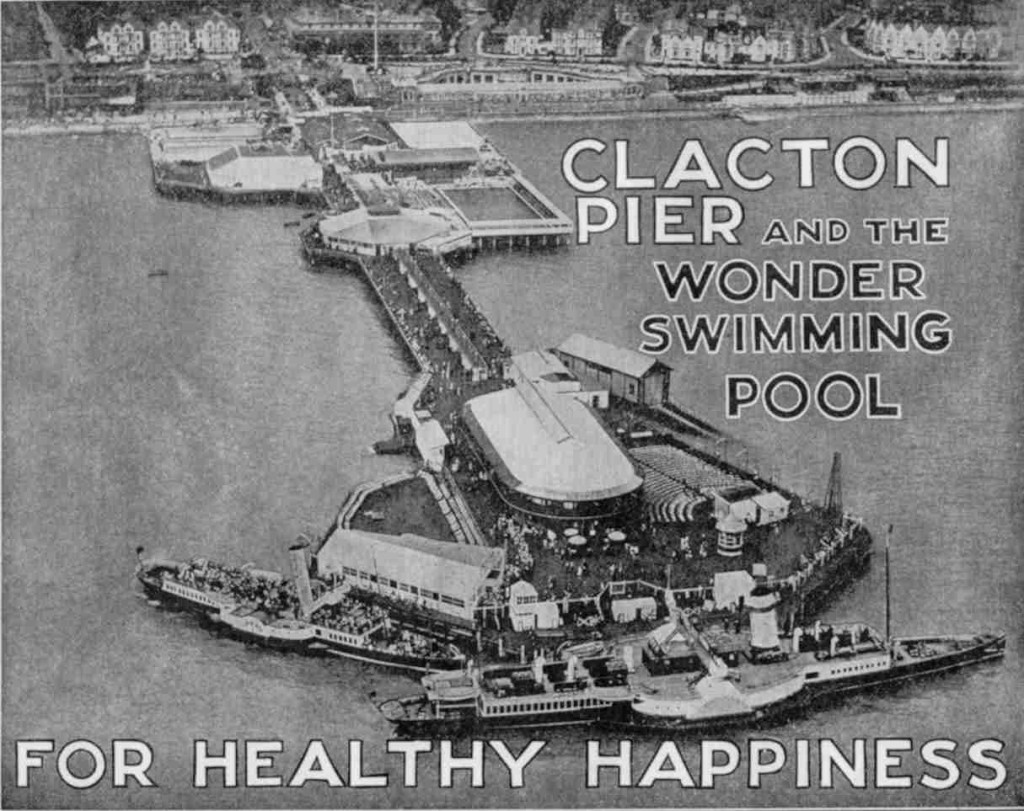
The bacta tank - for healthy happiness

The bacta tank – for healthy happiness

It’s hard to imagine now, but in 1997, if you wanted to even begin to experience the kind of shared fandom excitement you take for granted now on Tumblr, you had to get someone’s dad to drive you to a seaside shack in Clacton for the delight of being breathed on by lonely men in all-too-form-fitting Starfleet uniforms. (Actual experience, let’s not dwell on it). Fan fiction was something you stored on a floppy disc and kept to yourself. In the acknowledgements of the final book in the trilogy, Rebel Dawn, Crispin thanked ‘The Star Ladies and all my on-line friends’. Whoa. There were people online like me? Female people? Who get thanked by authors?

I’d been putting together little handwritten books since I was small, but reading Ann Carol Crispin’s Star Wars tie-ins made twelve-year-old me realise the adventures in your head were something you could write down for other people and therefor make real. All these years later, I haven’t forgotten how her books made me feel. And I’ve never stopped writing.