Combattez pour la patrie! Or not, whatever.

bastille

On the morning of July the 14th 1789, the people of Paris had had enough. The medieval fortress Bastille, a symbol of the abuses of the monarchy, was stormed by a mob of a thousand men, women, and children. The garrisoned guards, sympathetic to the cause, joined the vainqueurs, helping to free the Bastille’s prisoners (all seven of them, including one chap who thought he was Julius Caeser). Ninety-eight attackers were killed. The Bastille’s governor was beheaded after kicking a pastry cook in the groin. It was the flashpoint of the Revolution, a pivotal moment in Europe’s history.

For Gaetano Polidori – father of The Vampyre‘s John Polidori and grandfather of Dante Gabriel and Christina Rossetti – the rise of the people against the injustices of poverty and monarchy really put a dampener on his morning stroll.

“I was passing by the Palais Royal while the populace were running to assault the fortress; and, having encountered a highly-powdered wig-maker, with a rusty sword raised aloft, I, not expecting any such thing, and hardly conscious of the act, had the sword handed over to me, as he cried aloud—‘Prenez, citoyen, combattez pour la patrie.’ I had no fancy for such an enterprise; so, finding myself sword in hand, I at once cast about for some way to get rid of it; and, bettering my instruction from the man of powder, I stuck it into the hand of the first unarmed person I met; and, repeating, ‘Prenez, citoyen, combattez pour la patrie,’ I passed on and returned home.”

In summary: “Screw you guys, I’m going home.”

bastille3

As always, at moments of great historical significance, you have bystanders who’d really rather be at home with a cup of tea.

The Rossetti link to the Bastille doesn’t end there. I’ve already blogged about Dante Gabriel Rossetti’s youthful trip to the site of the Battle of Waterloo with fellow Pre-Raphaelite William Holman Hunt. While the battlefield with its meddlesome tour guides left DGR distinctly unimpressed, the site of the Bastille was far more stirring. In October 1849, he wrote home to his brother William:

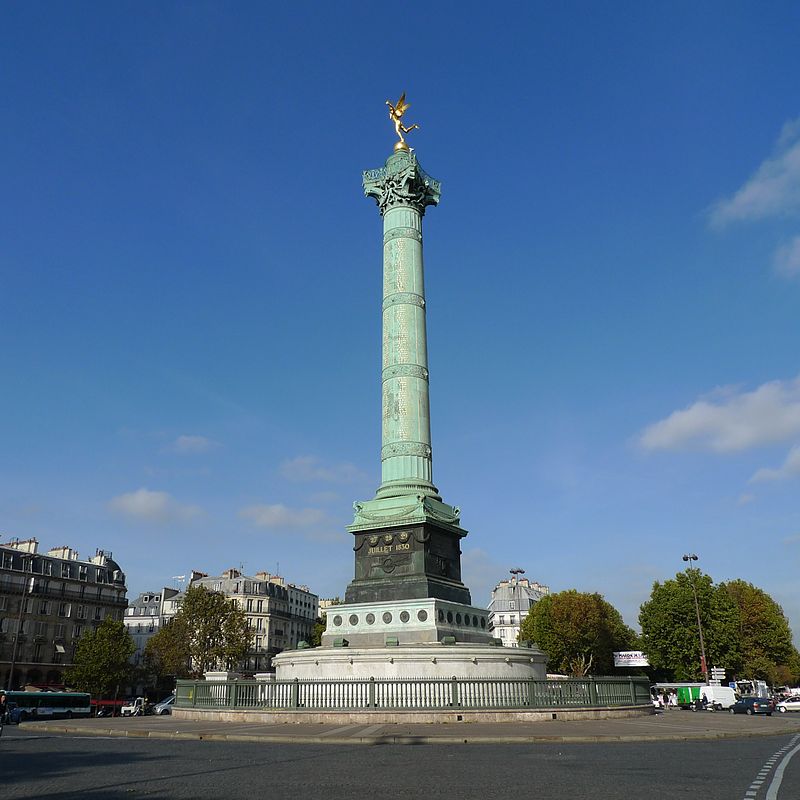
The other day we walked to the Place de la Bastille. Hunt & Broadie smoked their cigars, while I, in a fine frenzy conjured up by association and historical knowledge, leaned against the Column of July and composed the following sonnet:

How dear the sky has been above this place!
Small treasures of this sky that we see here
Seen weak through prison-bars from year to year;
Eyed with a painful prayer upon God’s grace
To save, and tears which stayed along the face
Lifted till the sun set. How passing dear
At night, when through the bars a wind left clear
The skies, and moonlight made a mournful space.
This was until one night, the secret kept
Safe in low vault and stealthy corridor
Was blown abroad on a swift wind of flame.
Above God’s sky and God are still the same:
It may be that as many tears are shed
Beneath, and that man is but as of yore.

As someone who thoroughly enjoyed The Castle of Otranto, you can see how, on balance, Rossetti would prefer the sort of battle that involved ghastly dungeons and the tears of the damned. Revolution, of course, was a cause close to the hearts of the PRB, though perhaps, as this hasty sonnet suggests, it was the sentiment of revolution and not the act itself that lent itself to art.
bastille2

The Column of July, Paris. The PRB loitered here.
Between you and me, William…

As it’s the two-hundredth anniversary of the Battle of Waterloo, I thought I’d share this Pre-Raphaelite tidbit from the twenty-one-year-old Dante Gabriel Rossetti.

In the autumn of 1849, he and William Holman Hunt took a holiday to the continent together. Rossetti journaled the experience in verse which he duly sent to his brother, William Michael, back in London. Between sniggering in art galleries and noticing pretty girls (French ones weren’t as nice as English ones, naturally), the PR Brothers took in the usual famous attractions, including the site of the Battle of Waterloo. Here’s what Rossetti thought of it:

On the Field of Waterloo.

So then, the name which travels side by side
With English life from childhood—Waterloo,
Means this. The sun is setting. “Their strife grew
Till the sunset, and ended,” says our guide.
It lacked the “chord” by stage-use sanctified,
Yet I believe one should have thrilled. For me,
I grinned not, and ’twas something:—certainly
These held their point, and did not turn but died:
So much is very well. “Under each span
“Of these ploughed fields” (’tis the guide still) “there rot
Three nations’ slain, a thousand-thousandfold.”
Am I to weep? Good sirs, the earth is old:
Of the whole earth there is no single spot
But hath among its dust the dust of man.

Oh dear. But he does have a point. And then, in a letter to William at home:

One of the great nuisances of this place, as also at Waterloo, is the plague of guides from which there is no escape. The one we had at Waterloo completely baulked me of all the sonnets I had promised myself; so that all I accomplished was the embryo bottled up in the preceding column. Between you and me, William, Waterloo is simply a bore.

Yawn.

Yawn.


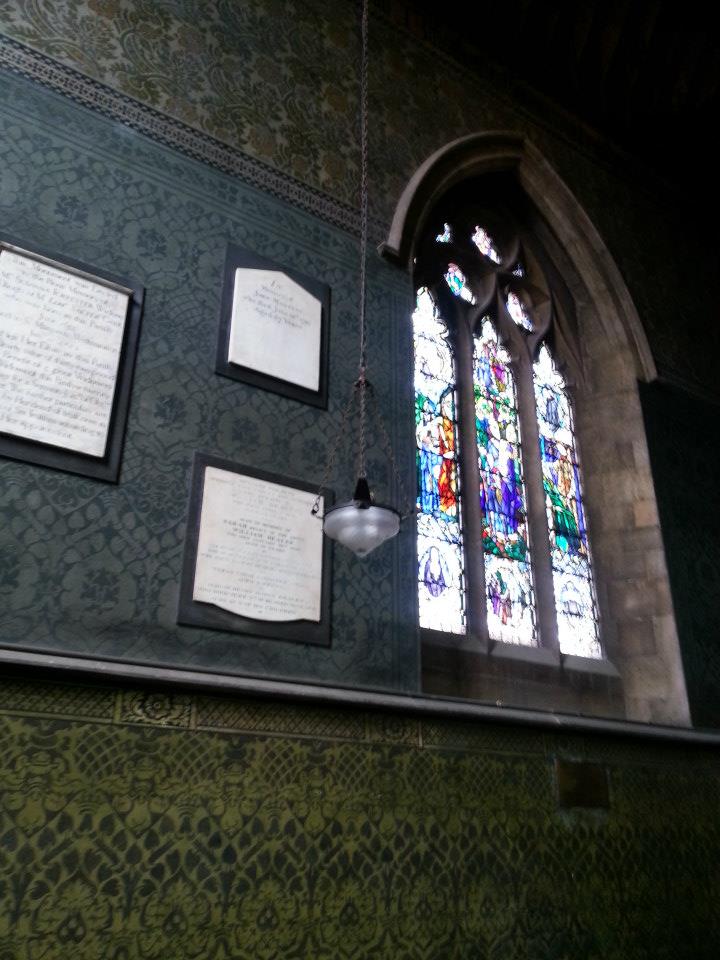
Open Day at Cambridge’s Pre-Raphaelite Church

This Saturday, the 13th of June 2015, All Saints Church on Jesus Lane will be open to the public from 11.00am to 3.00pm.

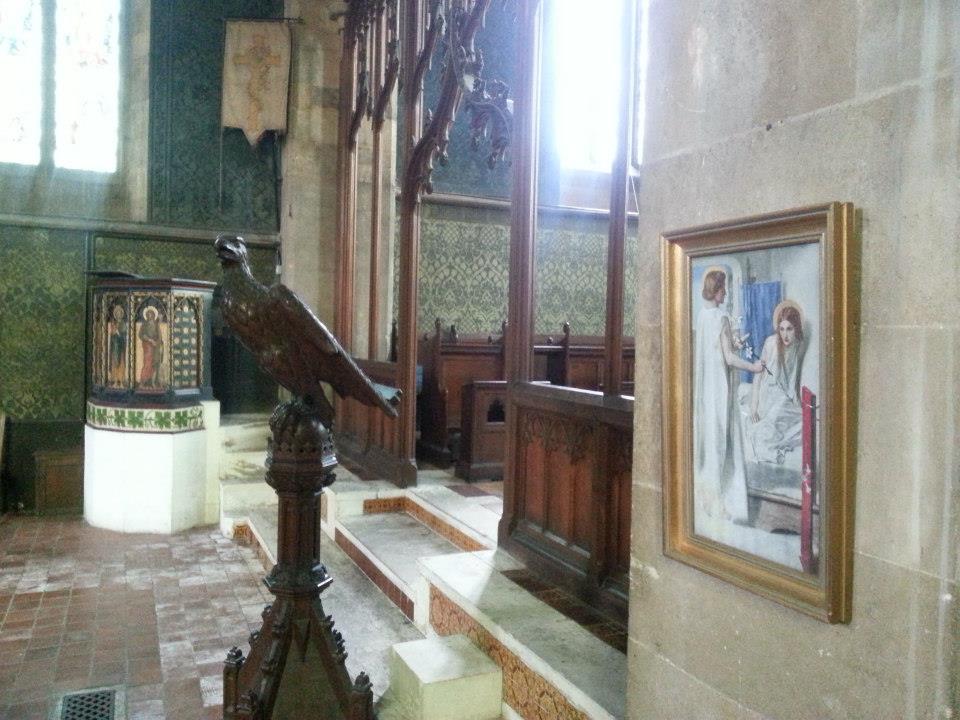
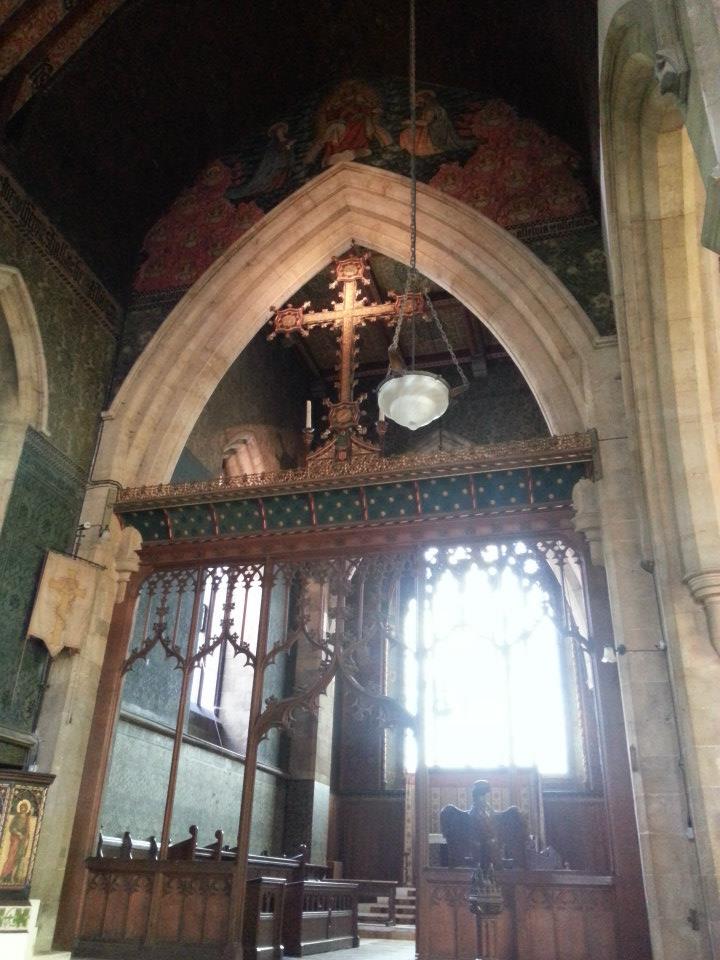
Building started on site in 1863 where no former church existed. Instead of a mishmash of different ages like most medieval churches, All Saints is a testament to the vision of one man, George Fredrick Bodley, one of the most significant architects of the Gothic Revival.

allsaints1

With the artistic input from William Morris, Charles Eamer Kempe, Edward Burne-Jones, Ford Maddox Brown, Frederick Leach and Philip Web, there are plenty of stories to tell. Volunteers will be on hand to guide you around the church’s intricate details, including the pre-WW1 graffiti in the chamber to the right of the altar.

allsaints3

Friends of All Saints are always looking for more volunteers. Opportunities include being part of an advisory forum, research, events and fundraising. Email Karen Fishwick for more details: kfishwick@thecct.org.uk

allsaints4
No need to book – just drop in between 11.00am and 3.00pm All Saint’s Church, Jesus Lane, Cambridge, CB5 8BP.

Please contact: southeast@thecct.org.uk or phone 01223 324442 for more information or see visitchurches.org.uk.

Skint historian in ‘pleads for your help with prohibitive copyright expenses’ shocker

I’ve created a GoFundMe campaign. Here’s why.

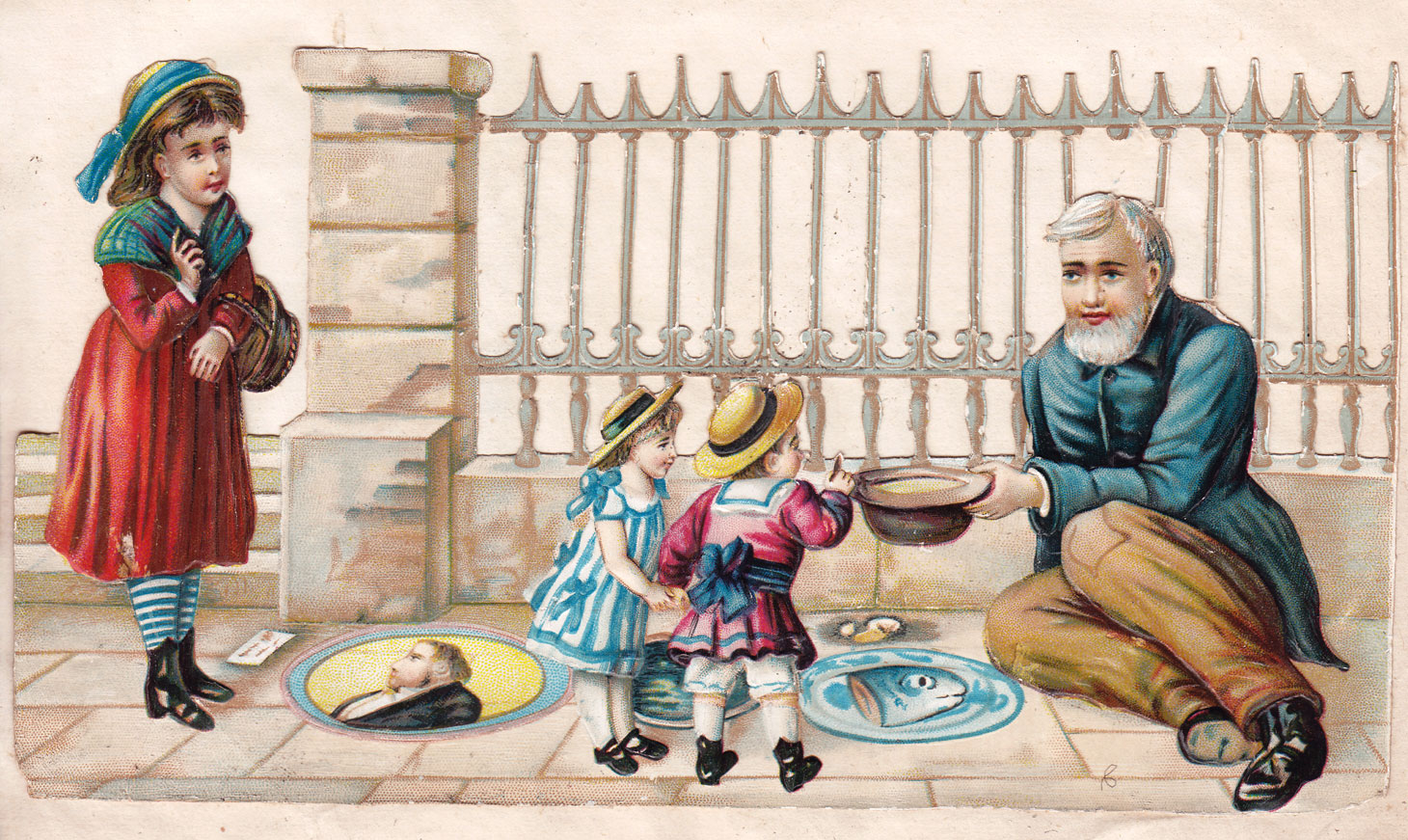
victorian-scrap

My cousin Thomas Holloway was one of the richest self-made men in Victorian Britain. From a humble Cornish childhood in a notorious smugglers’ pub, Thomas built a patent medicine empire known as far away as the pyramids in Giza. He went on to build Holloway College in Surrey and the Holloway Sanatorium for the insane, and amassed a record breaking public collection of Victorian art. Not bad for a man who once languished in debtors’ gaol.

I’m writing The Mighty Healer, a book on Thomas’ life, due for publication by Pen & Sword in 2016. The book looks at the shocking quack medicine trade of the nineteenth century, the fight for women’s education, and the treatment of the mentally ill. It charts Thomas’ spats with Charles Dickens and William Makepeace Thackeray, the inevitable family squabbles over money, and the great legacy he left Britain.

Unfortunately, none of Thomas’ immense fortune trickled down to me. Buying permission to print pictures is an expensive business, and as I have a disabling connective tissue disorder, I don’t currently have a day-job to fund my writing. I need some help. I have sourced a few images royalty free, but three that I can’t do without – including the cover image ­– are in an archive and need paying for. It would mean a lot to me, and to my future readers, if you could help make The Mighty Healer as visually arresting as possible.

There are small rewards to be had, including an acknowledgement in the completed book.

#HospitalGlam

Hello again. Remember me?

I haven’t blogged properly for a while, partly because I’m wrapped up in The Mighty Healer, and partly because the boyfriend and I have both been varying shades of ill, ill, ill, for several months. Nothing sucks up time like hospital visits and bedrest.

Here in the UK, the general election is about to topple onto our heads. That means blanket coverage of men in bad suits shouting at each other about the NHS, not because they care that it’s circling the drain, but because winning debates is more fun than losing them. After a while, all the chatter ceases to sound like real life and enters Pink Floyd video territory, particularly when Cameron gets a bit sweaty and you sit there hoping his rubber mask will slither off to reveal the circuitry within.

So I want to share something fun.

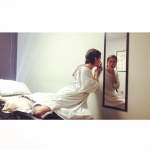
Karolyn Gehrig is a queer disabled artist from Los Angeles. Like me, she has a connective tissue disorder and spends a lot of time traipsing in and out of hospital. To pick herself up, Karolyn started taking selfies in a medical setting, tagging them #HospitalGlam.

They’re gorgeous.

hospitalglamhospitalglam4

“I started posting #hospitalglam because it was frustrating to me that every time I got sicker I’d disappear from my commitments and then feel shy about explaining where I’d been when I knew there was absolutely nothing wrong with pursuing treatment for my disabling chronic illnesses.”

The idea struck a chord. With the success of the #HospitalGlam hashtag on Twitter, Karolyn set up a Tumblr for fellow patients to submit their own selfies, giving them something to do in those doldrum waiting rooms, and winning back a bit of self-esteem at the same time. Any gender, any illness, artistic or silly, made-up or fed up.

One nice effect of #HospitalGlam is finding like-minded souls.

hospitalglam3

Here’s Heather of Mortuary Report. She’s a funeral director and all-round fascinating human. You should read her blog on reclaiming sexiness and personal empowerment whilst chronically ill, but here’s a chunk that stuck out for me:

“There are few places where one feels less empowered and beautiful than in a medical setting, and it’s not just because of that awful beige color the walls in doctor’s offices are always painted. Most humans are fortunate to only associate doctors with tedious time spent in waiting rooms and an annual check up. For those of us who are chronically ill, however, the experience of spending as much time as we do in medical settings becomes a spin-cycle of misery, depression, and – often – questioning our own sanity. […] Being disabled in an able-bodied society quickly became a source of shame and frustration.”

Being chronically ill isn’t as glamorous as the brochure made it out to be. The invisibility Karolyn talked about – self-inflicted or otherwise – has an accumulative effect on the psyche. That’s on top of the media’s relentless commodification of the body, where presentability is bound up in youth, health, and unattainable conventional beauty. That’s why it’s so important to see images of people with chronic illnesses and disabilities where a) they’re in control, and b) pity porn, or the godawful ‘inspiration’, doesn’t come into it.

Model Melanie Gaydos will be familiar from Rammstein and Die Antwoord videos. Here, she talks about growing up with Ectodermal Dysplasia and bringing her individuality to the modelling world.

“When I go on a photo shoot, if there’s other industry models there, they normally don’t really know what to make of me. And they’re usually like, ‘What the fuck is this?’ […] I love modelling. A time for me to be completely open. I guess it’s kind of like a therapeutic process for me.”

#HospitalGlam is a weapon for those of us with chronic illnesses. With it, we reassert our individuality, regain our playfulness, and have a ‘frivolous’ place to escape to when all else might seem out of control. It is therapeutic. And it’s fun. And all the while people ask what the fuck, we know it’s needed.

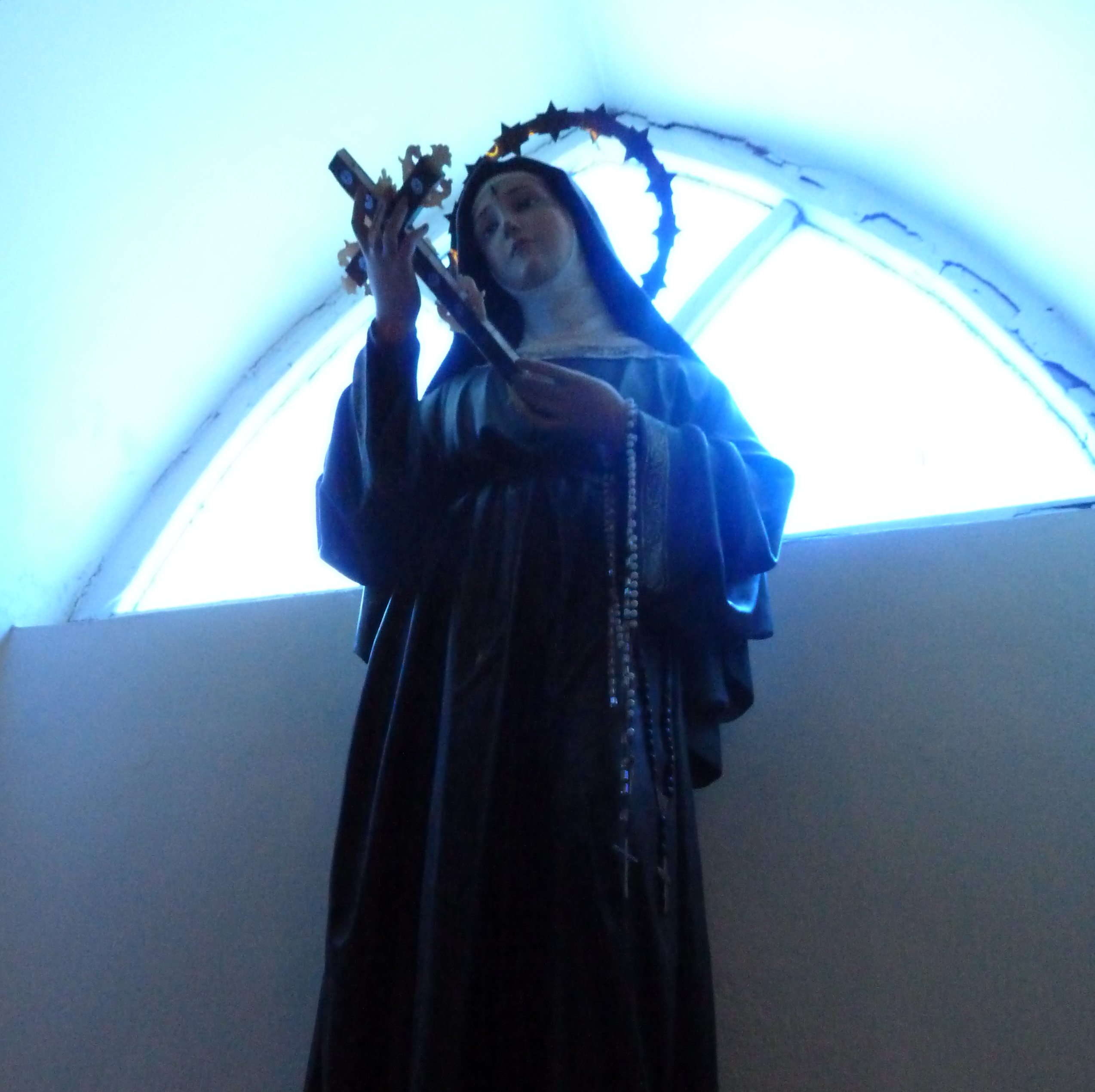
Our Lady of the Cathode Rays. Thine be the free hospital mochas.

See you on the hashtag.

The Mighty Healer: Thomas Holloway’s Victorian Patent Medicine Empire

2015 is off to a busy start. I’m very pleased to say I’ve been commissioned by Pen & Sword to write a book on Thomas Holloway, my Victorian ancestor, who made his fortune with patented pills and ointments.

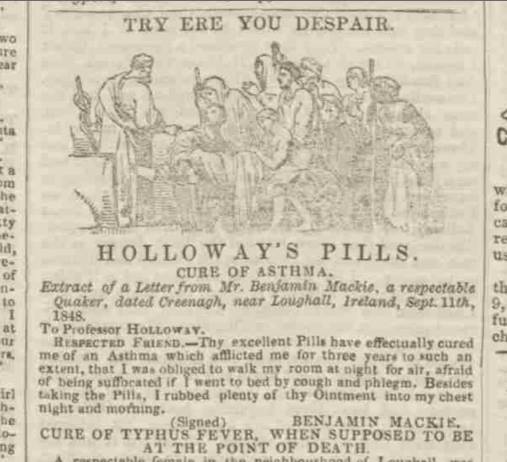
It’s due for publication in 2016, so I’ll be spending most of this year poring over material like this…

hollowayscure

Magic & makeup, crypts & clownfish…

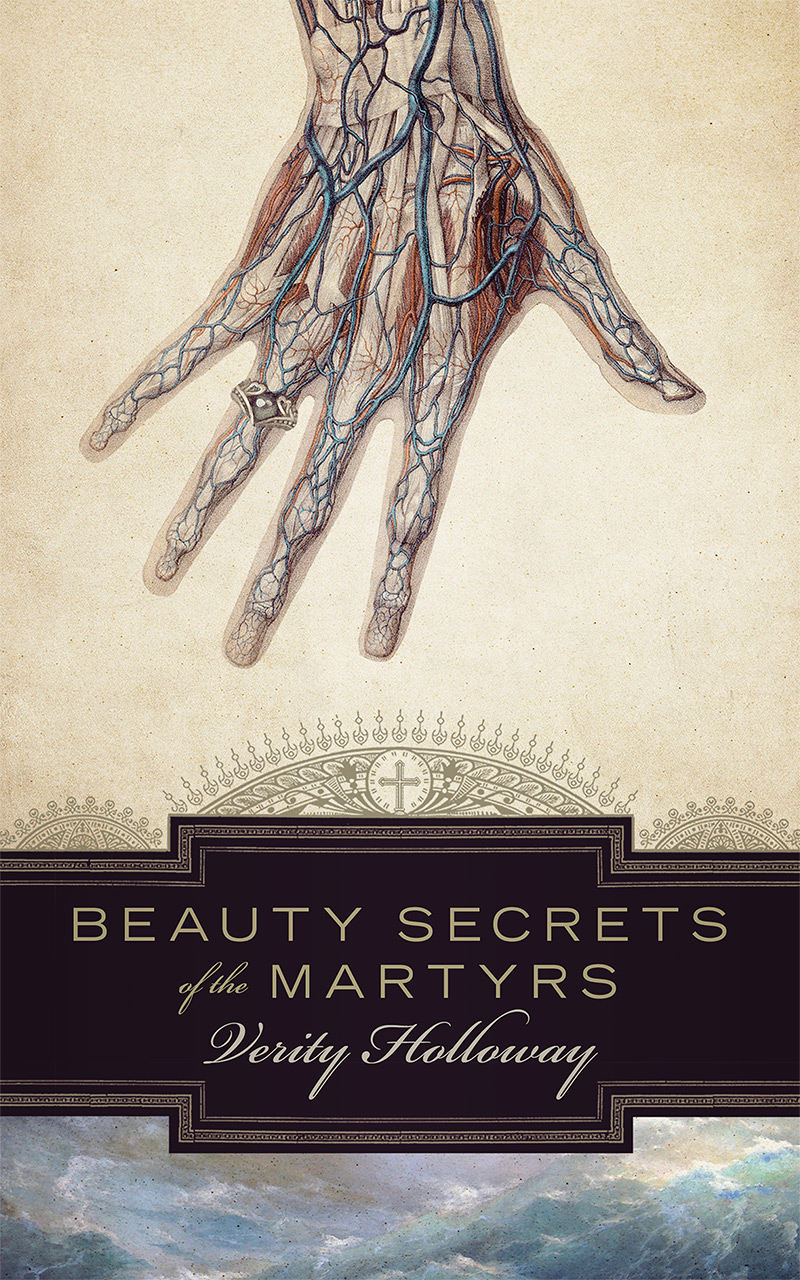
My magical realist novella, Beauty Secrets of The Martyrs, will be published in paperback and ebook formats later this year.

“Once we looked to earthquakes to gauge the mood of God. I mean, I’ve seen some sights since the fourth century… but lately things have taken a creative turn.”

More details to follow, but here’s some blurb to tide you over…

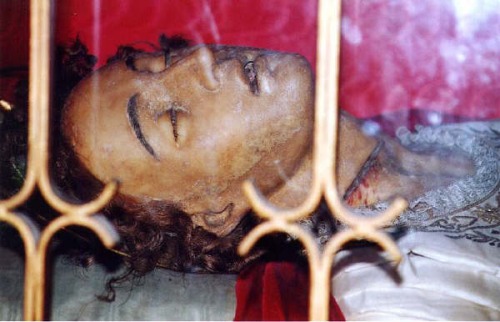
Saint Silvan is a miracle. Since he died two thousand years ago, not one atom of his beautiful body has succumbed to the natural decay of the flesh. But the planet is not so fortunate. In a small church in Croatia’s Dubrovnik, Silvan lies in state for the veneration of the faithful while nation after nation succumbs to the rising tides of climate change. When an immortal dandy calling himself Az offers Silvan a job boosting humanity’s morale by prettifying the revered dead, Silvan is eager to offer his talents, unaware that someone may be playing him for a holy fool.

From Imperial Rome to Soviet Russia, Silvan crosses the worlds of the living and the dead to uncover his past and divine his future in a dying world.

This is a story of magic and makeup, crypts and clownfish.

saintsilvan2

Saint Silvan


Wunderkammer: The Master & Margarita. Manuscripts don’t burn.

A few years ago, I was absorbed in a book at a bus stop when a man materialised in front of me. Grinning, the stranger leant in so close that our noses almost touched.

“Good book?”

It’s fortunate he took me by surprise, because I could well have spoiled his pickup artistry with, “Sure is! It’s about Satan.”


“Follow me, reader! Who told you that there is no true, faithful, eternal love in this world! May the liar’s vile tongue be cut out! Follow me, my reader, and me alone, and I will show you such a love!”

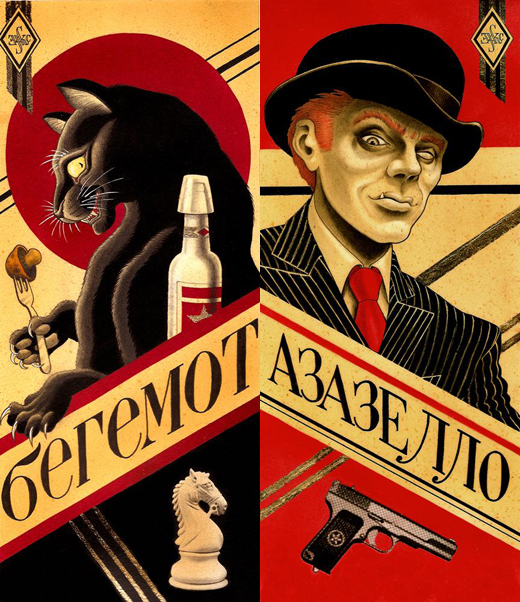
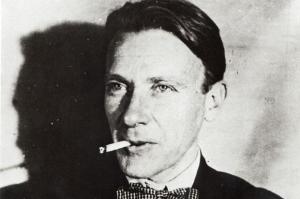
Mikhail Bulgakov’s The Master and Margarita is one of those books I thrust at people like a zealot. “No, really. You need this. You. Need. This.” The Devil’s minions – a joker with a pince-nez, a thug, and a wise-cracking, vodka-swilling cat – wreak havoc across 1930s Moscow. If that doesn’t excite you, you’re beyond help.

Now considered a twentieth-century classic, The Master and Margarita was nearly lost to history. A jab at Russian state-sanctioned atheism and the stranglehold of Soviet bureaucracy, the novel is laugh-out-loud-in-public-like-a-lunatic funny, yet heartfelt and romantic, a channel for Bulgakov’s frustration and depression. Juxtaposing his contemporary Russia with Biblical Jerusalem, the story demonstrates Bulgakov’s keen intellect and interest in ethics and questions of personal freedom – all of which could get a writer killed in Stalin’s Russia.

By Chris Conn Askew

By Chris Conn Askew

Shortly after kicking a morphine habit in 1919, Mikhail Bulgakov gave up his life as a country doctor to write full-time (just as well, considering he managed to rip out a sizeable chunk of a man’s jaw during a tooth extraction). He enjoyed early success with his plays and short stories before finding his niche, blending merciless political satire with the fantastical. Then, in the 1920s, censorship caught up with him. Stalin personally banned Bulgakov’s play The Run, and the rest of his work, if not banned outright, received brutal criticism for making fun of the Soviet regime.

Surreally, Stalin was a fan of Bulgakov. Allegedly, he saw The White Guard performed 15 times and went so far as to step in and protect him from his harsher critics, claiming dangerous political jargon like ‘counter-revolutionary’ was beneath a writer of such calibre. Bulgakov must have felt in league with the Devil.

"Well, as everyone knows, once witchcraft gets started, there's no stopping it."

“Well, as everyone knows, once witchcraft gets started, there’s no stopping it.”

The censorship took its toll on Bulgakov’s mental health. As a medical man, he knew he was likely to die young of hereditary kidney disease, and his life’s work was being ‘killed’, as he put it, within his lifetime. In a staggering moment of chutzpah, Bulgakov wrote to Stalin – mad Stalin, Stalin of the Gulags and the purges – demanding to be taken off the blacklist or allowed to leave the Soviet Union. Stalin let him resume his day-job the Art Theatre. But Bulgakov was a watched man, increasingly bitter and depressed. The manuscript he had been working on since the 1920s – the one that would eventually become The Master and Margarita – worried his family and friends. It was an impassioned treatise on artistic and spiritual freedom, and the satire was razor-sharp. Everyone privileged enough to be shown a glimpse loved it, and everyone knew it would never see the light of day.

In a fit of despondency, Bulgakov burned his only draft and was forced to rewrite from memory. This drastic act is one of the autobiographical details that make the story so compelling – in the rewritten novel, The Master burns his magnus opus only to have it returned to him by the Devil. “Didn’t you know that manuscripts don’t burn?”

Bulgakov never saw his masterpiece published. After his death at 49, his wife Elena strove to find a publisher who’d agree to work with such dangerous material. In the end, she could only persuade a small periodical to release the novel in serial form, twenty-six years after the author’s death.

“‘What’s its future?’ you ask?” Bulgakov wrote. “I don’t know. Possibly, you will store the manuscript in one of the drawers, next to my ‘killed’ plays, and occasionally it will be in your thoughts. Then again, you don’t know the future. My own judgement of the book is already made and I think it truly deserves being hidden away in the darkness of some chest…”

Bulgakov